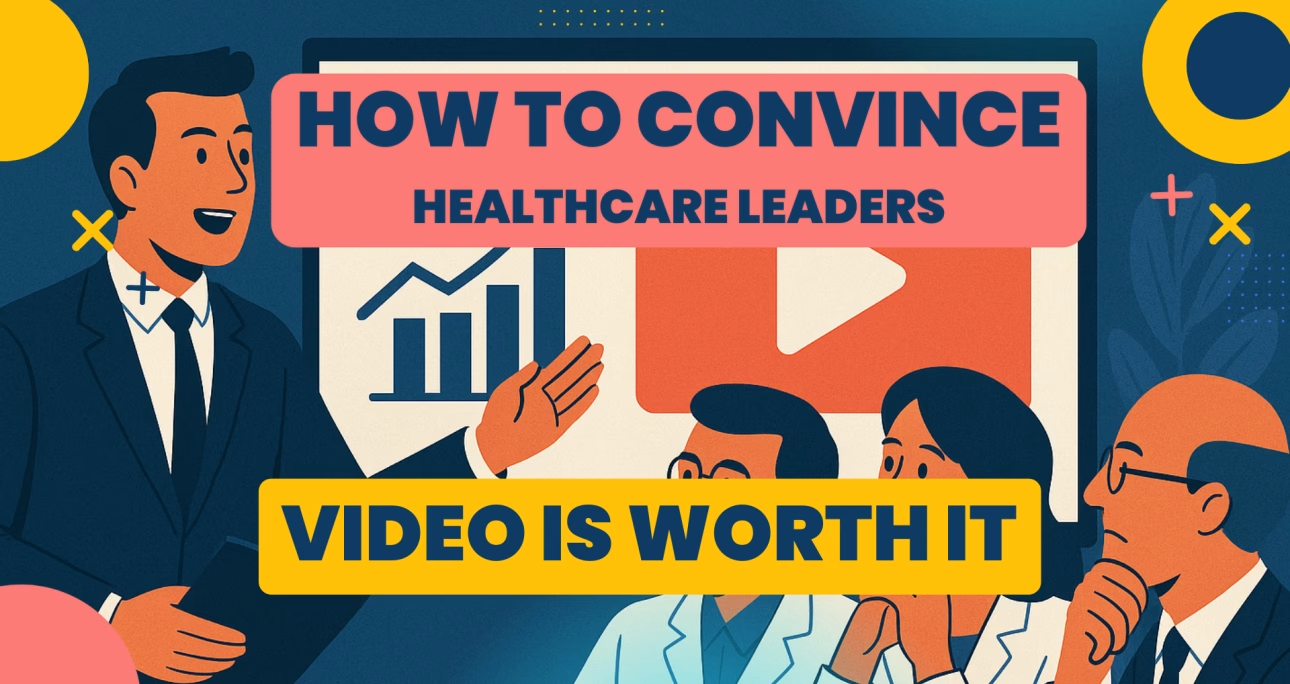
How to Convince Healthcare Leaders Video Is Worth It
When You Know It’s the Right Move, But You Have to Convince the Room
You know that feeling?
When you just know something will work, but still have to convince a room full of decision-makers. It’s something I’ve faced countless times, especially when helping clients prove the value of healthcare leaders’ video strategies.
To me, the power of video has always seemed obvious. I’ve seen it move people, shift opinions, and change behaviours. Yet time and again, I’ve found myself facing sceptical leadership teams asking:
“Is it really worth the investment?”
“What about patient and staff confidentiality?”
“Video’s expensive, and to do it ourselves is too time-consuming?”
If you’ve ever found yourself in that same spot, this blog is for you.
1. “We Tried a TikTok – It Got 1.4 Million Views (and Changed Behaviours)”
When a comms team at Sandwell & West Birmingham NHS Trust posted a TikTok featuring a giant inflatable bowel to promote cancer screening, no one expected much. But the video blew up: 1.4 million views, hundreds of comments, and the best part?
People saying things like, “I have a kit at home, I’m going to use it now.”
This is exactly what healthcare leaders need to hear:
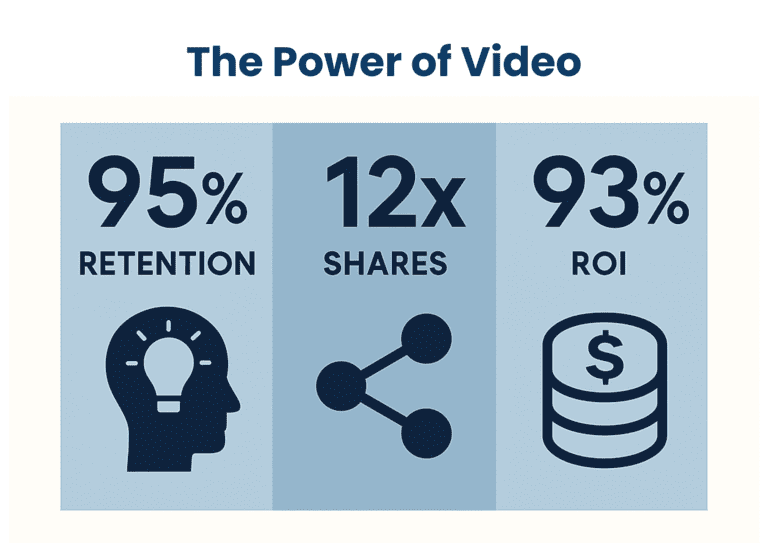
- 95% of people retain a message through video, just 10% via text.
- Video content gets shared 12x more on social media.
- 87% of consumers say video convinced them to take action.
Video doesn’t just get seen, it gets remembered, acted on, and shared.
That’s behaviour change in action.
2. “The Campaign That NHS Leaders Said Wouldn’t Work… Until It Did”
NHS South East London faced a challenge: how to encourage 18–39-year-olds to get their COVID-19 vaccines.
Their comms team proposed a bold, video-first campaign called
#Don’tMissYourVaccine.
Leaders hesitated, unsure if it would resonate.
The result? It smashed targets, increased uptake, and won national recognition for behaviour change success.
This wasn’t luck, it was video done right:
- 66% of healthcare organisations already use video for engagement.
- 89% of businesses across all sectors now use video as a core strategy.
- 93% of marketers say video delivers strong ROI.
If you’re not using video, you risk falling behind industry standards.
3. “How an Animated Video Raised £60,000 on a Shoestring Budget”
When the Charlie Waller Trust needed to raise funds, they didn’t have the luxury of a big budget.
Instead, they created a simple animated video featuring children’s voices. It struck a chord, going on to raise over £60,000 and winning industry recognition along the way.
Video doesn’t have to be expensive to deliver results. In fact:
- Many NHS and charity campaigns succeed with low-cost, high-impact video.
- Piloting small, budget-friendly projects can prove ROI before scaling.
Start small, measure results, and build your case for more.
4. “Why One Patient Said: ‘I’ve Got the Kit at Home, Now I’m Going to Use It”
Back to that Sandwell TikTok.
The moment that stood out most wasn’t the view count, it was a simple comment. Someone said the video had motivated them to take action they’d been putting off: using their at-home cancer screening kit.
This is what real engagement looks like:
- 78% of people prefer video over reading when learning about services.
- 99% of marketers say video improves audience understanding.
- 91% of consumers say video quality builds trust.
As a result, video connects, and builds trust like no other medium.
5. “The Frameworks That Took a Vaccine Video from ‘Maybe’ to ‘Award-Winning”
The secret behind the success of #Don’tMissYourVaccine?
Behavioural science. The team used the EAST Framework (Easy, Attractive, Social, Timely) and the COM-B Model (Capability, Opportunity, Motivation – Behaviour) to shape their video. That’s what turned audience insight into real-world action.
In addition, frameworks like these reassure leadership that video isn’t guesswork:
- Use EAST and COM-B to design content that drives action.
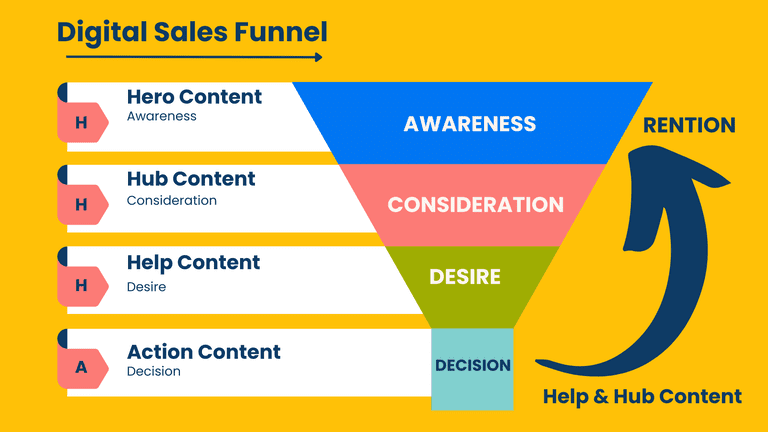
- Map videos to the marketing funnel from awareness to conversion.
- Apply AIDA (Attention, Interest, Desire, Action) to script persuasive content.
It’s strategy, not just creativity.
Speak Their Language
Want buy-in?
Speak in outcomes, not opinions. Frame video proposals in terms of:
- Organisational priorities (e.g. more screenings, higher patient uptake).
- Risk mitigation (e.g. starting with a small, low-risk pilot).
- Measurable goals (e.g. 15% increase in clinic bookings).
That’s the language leadership trusts.
You know, growing up in the countryside, I still remember one of the very first videos I ever watched at school.
It wasn’t flashy, and yet one scene from the video has stuck in my mind ever since.
It was a safety video shown in school about the dangers of farmyards, a harrowing story about a child drowning in a slurry pit.
I’ve never forgotten it. In fact, I can still picture the scenes, hear the soundtrack, even smell it.
That’s the power of video. It sticks with you. It changes you.
And if that isn’t worth investing in, I don’t know what is.
Ready to Make the Case for Video in Your Organisation?
If you’re looking to create healthcare video content that truly connects with your audience and delivers measurable results, we’re here to help.
At Visualante Creative, we specialise in helping healthcare teams turn ideas into impactful, TV-quality video campaigns, whether you need to win over your leadership team, engage patients, or build your organisation’s reputation.
Let’s Start with a No-Pressure Discovery Call.
We’ll help you:
Explore the right video strategy for your goals.
Identify quick wins you can pitch to your leadership.
Map out a practical pilot project to prove the value of video.