
The future of marketing isn’t ads: it’s shows your audience can’t stop watching.
What if a brand could make you laugh, cry, or binge-watch, just like your favourite Netflix show?
That’s the magic of branded entertainment, a new strategy that’s turning businesses into media companies.
From Soap Operas to Social Shows
Have you ever wondered why daytime dramas are called soap operas?
In the 1930s, soap and detergent maker Procter & Gamble sponsored radio dramas to promote their products to housewives. These “soap operas” became massively popular, subtly combining entertainment with advertising.
Fast forward to today, and branded entertainment has evolved. Instead of radio dramas, brands are now creating social-first TV-like shows on platforms like YouTube, TikTok, and Instagram.
Why?
Because traditional ads don’t work as they used to, only 2% of consumers find traditional ads credible. Yet branded entertainment offers something different: content people want to watch.
 The term ‘soap opera’ originated after Proctor & Gamble used to sponsor radio dramas in the 1930s.
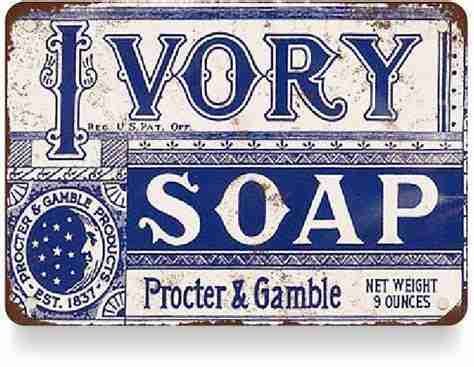 The term ‘soap opera’ originated after Proctor & Gamble used to sponsor radio dramas in the 1930s.
What Is Branded Entertainment?
Branded entertainment is when companies create entertaining content. These can be mini-series, films, or shows, in any format where the brand is part of the story. It’s content-first marketing, with a focus on entertaining rather than selling.
Unlike ads that interrupt and often annoy viewers, branded entertainment creates a narrative that blends the brand into the storytelling. Think of it like watching a movie where the brand feels like a natural part of the plot. The Barbie movie is a perfect example of this.
How Does It Work?
Creating branded entertainment involves these five key steps:
- Find the Message: What does the brand stand for? Fun, adventure, innovation?
- Tell a Great Story: Develop narratives that entertain while subtly including the brand.
- Pick the Right Platform: Whether it’s YouTube, TikTok, or Instagram, brands go where their audience spends time.
- High-Quality Production: Investing in professional content helps it stand out.
- Share and Promote: Use social media and partnerships to boost visibility.
Why Brands Are Turning to Entertainment
Traditional ads are losing effectiveness. Today:
- Brands generate 46% higher sales when combining influencer content with affiliate marketing.
- Creator-led and brand-driven shows help reach new audiences and encourage action at every stage of the customer journey.
- Consumers, especially younger generations, prefer entertainment over pushy ads. Branded shows offer value, fun, and storytelling, making audiences more likely to engage and share.
Brands can share their values and add personality by being part of shows and narratives that do more than just focus on profits.
Branded Entertainment That Works
- The Lego Movie: A global hit that earned $469 million while cleverly showcasing Lego’s creativity and appeal.
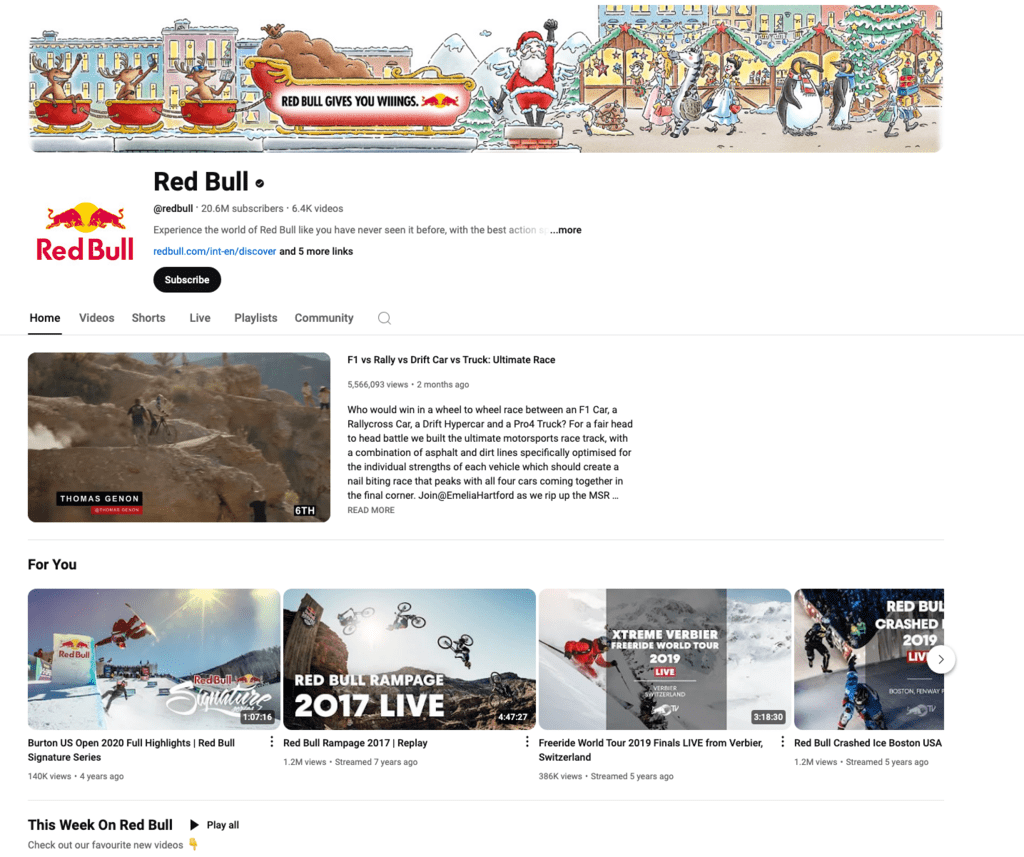
- Red Bull TV: From documentaries to live events, Red Bull built an entire entertainment platform around adventure sports.
- The Spark by Amazon Ads: This film series spotlighted human stories behind SMB brands, driving a triple increase in positive perception and traffic to Amazon Ads’ website.
- Drive to Survive by Netflix and Formula One: This documentary series has captivated audiences and increased Formula One viewership by almost 50% worldwide.
These brands didn’t just advertise. they entertained, inspired, and connected with their audiences. Achieving huge success along the way.
Sharing Brand Personality Through Stories
Branded entertainment is the ultimate way for brands to show who they are, not only what they sell.
- Red Bull: Adventure and adrenaline.
- Nike: Resilience and inspiration through athletes’ stories.
- Patagonia: Environmental values showcased through documentaries.
By telling relatable, engaging stories, brands bring their personality to life.
Highlighting Brand Values
Branded entertainment isn’t just about fun. It’s about being meaningful and showcasing purpose. Brands can share their values, like sustainability, inclusivity, or innovation, through powerful storytelling.
- The Bodyshop champions animal rights with its ‘Forever Against Animal Testing’ campaigns.
- Patagonia uses documentaries to promote environmental action.
These stories don’t feel like ads. They build trust by showing, not telling, what a brand stands for.
Owning the Channel: Brands as Media Creators
Why wait for networks or platforms to commission content or pay for ad space between shows? Why sponsor a show when you can create your own?
Many brands now build dedicated channels for their entertainment, allowing them to control content, messaging, and audience relationships.
- Red Bull TV: A full-fledged entertainment hub with documentaries, live streams, and sports content.
- Marriott’s The Power of Travel: A video series celebrating inspiring travel stories.
By owning their channels, brands gain direct audience insights and create ongoing, engaging experiences.
Why Branded Entertainment Is Growing
- People Want Entertainment: Content that’s fun, inspiring, or informative is more engaging than ads.
- It Builds Trust: Sharing stories makes brands more relatable and authentic.
- Higher Impact: Branded entertainment increased sales – 178% higher sales in the health and beauty sectors when influencers and affiliates combined.
- It’s Shareable: Good content spreads, increasing organic reach.
Branded Entertainment Isn’t Only for Big Brands
Branded entertainment isn’t reserved for global giants like Mattel or Red Bull.
Smaller and mid-sized brands are proving that impactful storytelling can be successful on a smaller scale. By focusing on relatable narratives and efficient production, even modest budgets can deliver entertaining content that’s loved by audiences.
It’s about having a purpose and being creative.
Here are some standout examples of branded entertainment from smaller brands:
1. Klarna and Big Zuu’s Financial Takeaway Series
- Big Zuu uses baking as a metaphor to explain financial terms, making concepts like AER easy to understand.
- Klarna addresses a real issue: financial misunderstandings cost UK adults an average of £1,009.40 each.
2. Gozney’s ‘How to Pizza’ & GozneyTV
- Educational cooking content that seamlessly features Gozney ovens, building trust and excitement.
3. Marks & Spencer’s Cook with M&S
- A digital platform showcasing recipes and tutorials, positioning M&S as a culinary authority.
4. Boots’ Feel Good Hub
- A wellness hub offering advice and tips, aligning with Boots’ brand focus on health and beauty.