
How Video Strategy Can Drive Business Results: A Complete Overview
Like many things in my life, I learned the importance of video strategy the hard way.
It took a high-ranking army officer to point out the meaning of strategy and its importance.
He explained, in no uncertain terms, that the strategy in my great-looking video highlighting the benefits of a particular military personnel carrier was MIA.
You see I was working as a videographer for the MOD at the time and I’d created the video the client thought they wanted.
A hero video showcasing the benefits of a new vehicle and making it look cool.
We were wrong, dead wrong.
I’d failed to ask the right questions to diagnose the problem they were hoping video could solve for them.
What the client needed was a how-to video teaching the troops how this vehicle could save their lives on the battlefield.
Not a glossy-looking video advert simply raising awareness of it by making it look cool.
The officer explained that if I had used the same thinking as an army officer in the heat of battle, it would have killed us all.
His lesson taught me the value of strategy and we made a new video which I hope, helped save some lives.
That’s where video strategy comes in
Fast forward to today, and video content is everywhere. And for good reason.
It’s one of the most engaging ways to connect with audiences, tell a story, and drive action. But just making a video and putting it out into the world doesn’t guarantee success.
A video strategy is a deliberate plan for using video content to achieve specific business goals.
It’s not about simply creating stunning visuals. Rather it’s about ensuring those visuals lead to meaningful outcomes for your brand or business.
It connects content with the desired results, whether that’s more sales, increased brand awareness, or improved customer trust.
Boiled down, video strategy is about seeing video as a vehicle, not the destination.
Why Does Video Strategy Matter?
Many businesses invest in video but don’t consider how to effectively distribute or optimise it.
Without a clear strategy, your beautiful brand video might end up collecting dust on YouTube with 34 views and failing to deliver any results.
Whereas a well-thought-out video strategy ensures that your content isn’t just ‘created’ but is also positioned, targeted, and delivered to the right people, at the right time, through the right channels.
It’s about aligning your video(s) with broader business needs.
Think of it this way: businesses don’t need a video; they need a solution.
A video strategy helps bridge that gap, aligning the type of content produced with what the business wants: a tangible outcome.
It helps shift the perspective from simply ‘making videos’ to ‘delivering results’ and solving problems.

The Benefits of a Strong Video Strategy
A strong video strategy transforms how a business approaches content creation.
Here are some of the key benefits:
Better Return on Investment (ROI): By developing videos with specific business goals in mind, like increased brand awareness or conversions, you maximise their potential impact.
For example, a client of ours wanted to increase lead generation for their new private healthcare drop-in medical daycare centre.
Instead of making a general explainer video as originally suggested, we created a targeted testimonial campaign focusing on how the software solved particular customer problems.
This video series led to a 29% increase in leads within two months.
Clear Messaging for Every Stage: Your audience isn’t a monolith.
Different people are at different stages of their buying journey. Some are still learning about your brand, while others are ready to make a purchase.
A solid strategy helps create the right video content for each stage, ensuring that you’re not only grabbing attention but also nurturing interest and prompting action.
Imagine creating an introductory video for social media, followed by a deeper dive for your website visitors, and finally a detailed case study for those on the verge of making a decision.
Each type of content serves a specific purpose, moving the viewer along the journey.
Effective Distribution: Where your video goes matters as much as what’s in it.
A good video strategy includes a distribution plan. This means determining the right platforms for where it will be seen.
Whether it’s YouTube or your website figuring out where it will be most effective from the start is imperative.
Another consideration is whether paid amplification is needed to make sure your message reaches your ideal audience.
For example, a talent agency we worked with saw their video content struggle to get views.
By using paid YouTube ads targeting specific demographics, we increased reach by 150%.
Positioning Yourself as a Solution Provider: When you operate with a strategic mindset, your brand isn’t just a content creator.
You’re a solution provider making a video that helps your audience achieve specific, important goals.
This could mean creating a customer onboarding series that reduces support requests in half, or a promotional campaign that drives sales.
So this all sounds great but how do you implement it?

The 7 Pillars of Video Strategy
To create a successful video strategy, there are seven key pillars that guide the process from start to finish.
These pillars ensure that every video serves a purpose and contributes to a larger business goal.
They’re a set of questions that help create a road map for your video journey.
1. Audience: Understanding your audience is the first and most important step.
- Who are you trying to reach?
- What are their needs, interests, and pain points?
- A clear understanding of your target audience ensures that your video content resonates and drives action.
2. Goals: What do you want to achieve with your video?
Are you looking to increase brand awareness, generate leads, or boost sales?
Once you are clear you can set clear, measurable goals to help focus your video content with the specific results you want.
This ensures that every video has a purpose.
3. Content Plan: This is where you decide what content you want to produce and how.
The aim of your video should be to connect with your target audience to help achieve your goals.
It’s not just about beautiful visuals.
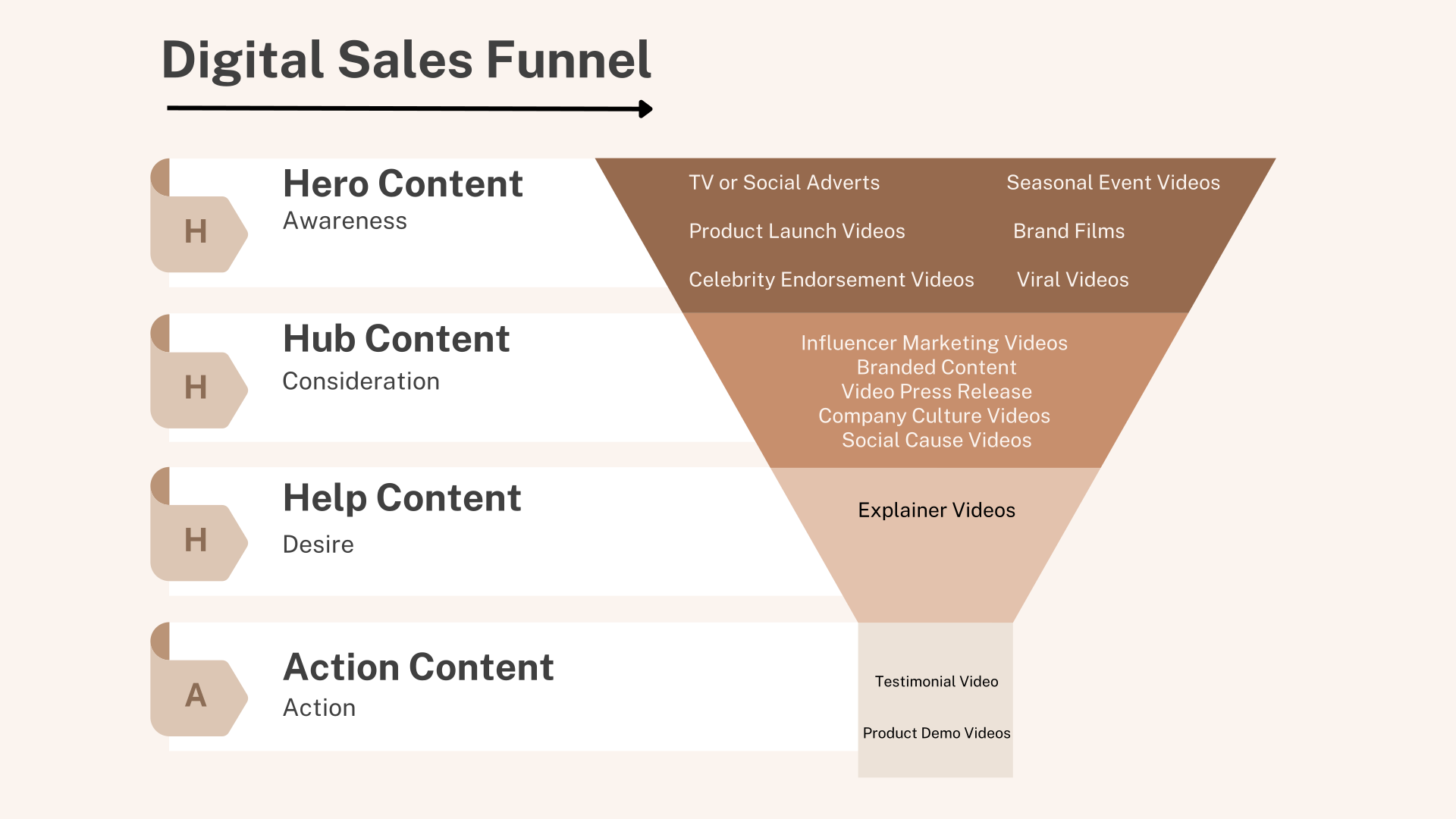
You need to understand where the customers you are targeting are in their customer journey.
Are they at the top of the funnel? Is so your content needs to become aware of your offer and therefore more emotional storytelling content is needed.
Or are they in the middle of the funnel, the consideration phase, where they need helpful content that builds trust through value?
For more information about the customer journey and the marketing funnel check out this article.
4. Distribution: Where will your video live?
Distribution is key to making sure your content reaches the right people.
This could mean sharing it on social media platforms, embedding it on your website, or using it in email campaigns.
A well-thought-out distribution plan ensures your video is seen by those who matter most.
5. Optimisation: Even the best video can flop if it’s not optimised for where it is intended to be hosted and viewed.
Optimisation involves making your video suitable for different platforms and audiences.
It has to have the right format, keywords and captions etc to maximise visibility and engagement.
6. Metrics: How do you know if your video is successful?
This is where metrics come in. They allow you to track performance and see if your goals are being met.
Whether it’s views, engagement rates, or conversions, understanding the metrics that matter helps you refine your strategy and improve future content.
7. Production: Finally, production is about bringing your vision to life.
This includes everything from pre-production to post-production. From scripting, storyboarding and filming to editing, grading and sound mixing.
How you film your content matters.
- Will you create UGC content on your phones or hire influencers?
- Will you create a Hollywood-style production or just hire a small production company?
Sometimes a simple, authentic video works better than a high-budget cinematic piece, depending on the purpose and audience.
Whatever you choose should be as a result of having thought carefully about all the other pillars.
Does Video Strategy Really Work?
Absolutely.
The trick is moving away from a ‘content-first’ mindset like I did with the original military vehicle video to a ‘goal-first’ approach.
A well-executed video strategy doesn’t leave the outcome to chance. It connects the dots between content and the desired outcome.
By focusing on your audience, setting clear goals, and understanding how each video fits into the bigger picture, you can ensure that your content works as intended, rather than hoping it does.
If you’re looking for help with your video strategy, book a discovery call with Visualante Creative.